
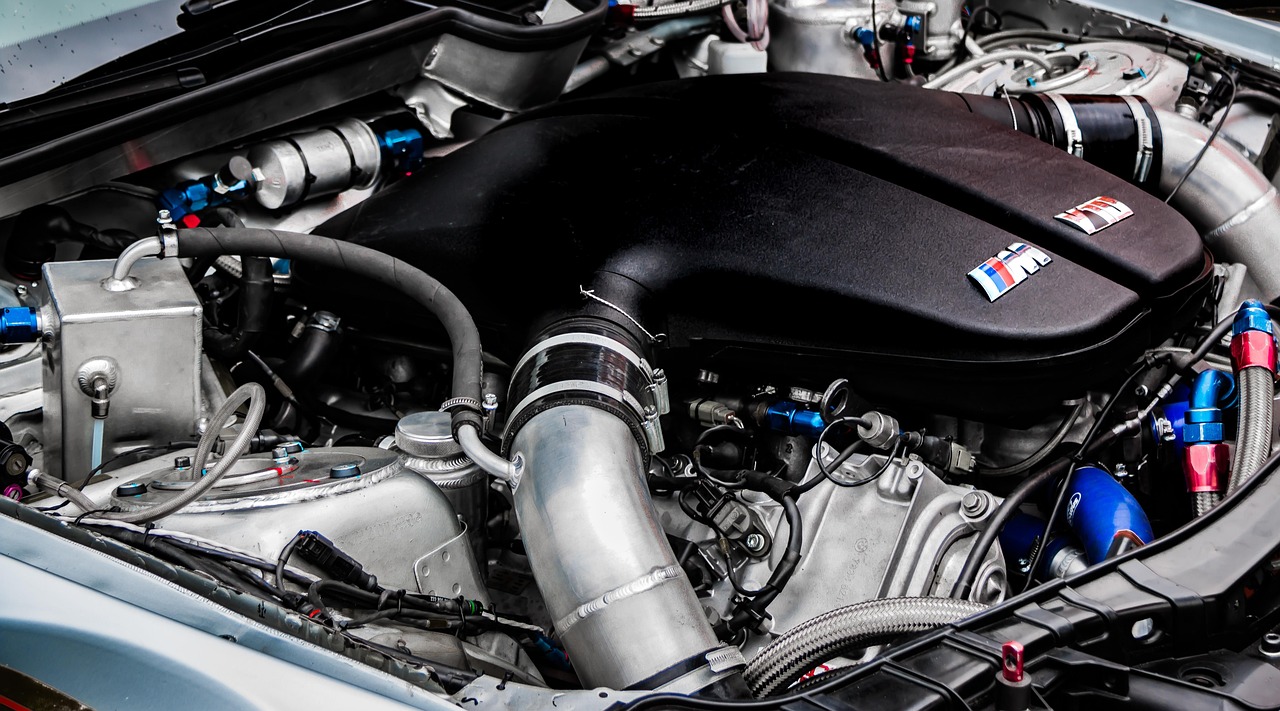
When you turn the key in your vehicle or press the start button, you’re initiating a complex yet powerful process—the engine springing to life. It’s the beating heart of your vehicle, converting energy from fuel into the power that drives the wheels and propels you forward. Whether you’re a car enthusiast or someone who just needs to get from point A to point B, understanding how an engine works can deepen your appreciation of automotive technology. Here’s an in-depth look at the vehicle engine, how it works, and why maintaining it is essential for the long-term performance of your car.
The Basics of How a Vehicle Engine Works
At its core, the engine is an internal combustion engine (ICE). This means it burns fuel to produce power. Inside the engine, fuel is mixed with air, compressed, ignited, and the resulting explosion pushes the pistons. These pistons are connected to the crankshaft, which turns this linear motion into the rotational force that moves the vehicle.
The 4-Stroke Cycle
Most modern car engines operate on a 4-stroke cycle:
- Intake Stroke: The intake valve opens, and the piston moves down, drawing in a mixture of air and fuel.
- Compression Stroke: The piston moves up, compressing the air-fuel mixture.
- Power Stroke: The spark plug ignites the compressed mixture, causing an explosion that forces the piston down.
- Exhaust Stroke: The exhaust valve opens, and the piston moves up again to expel the burnt gases.
This process repeats thousands of times per minute, providing the necessary energy to move the car.
Different Types of Vehicle Engines
Not all vehicle engines are the same. Understanding the differences between them helps you make more informed decisions about your car. Here’s an overview of the most common engine types you’ll encounter:
1. Inline Engines
Inline engines are the most common in passenger cars. In this design, all the cylinders are arranged in a straight line. This layout is simple, compact, and cost-effective. Inline-four engines are especially popular in small to mid-sized cars due to their balance of performance and fuel economy.
2. V-Type Engines
In a V-type engine, cylinders are arranged in two banks, forming a “V” shape. This design is typically used in larger engines, like V6 and V8, offering better power and performance. The V8 engine is a staple in many high-performance and luxury vehicles, known for delivering significant horsepower and smooth operation.
3. Boxer Engines
A unique layout, boxer engines have horizontally opposed cylinders. The benefit of this arrangement is a lower center of gravity, which improves vehicle stability and handling. Subaru and Porsche are known for using this engine configuration in their cars.
4. Rotary Engines
A rotary engine uses a triangular rotor instead of traditional pistons. These engines are smaller, lighter, and can rev higher than piston engines. However, they have some drawbacks, such as less fuel efficiency and shorter longevity. The Mazda RX-7 is the most famous vehicle featuring a rotary engine.
5. Electric and Hybrid Engines
In contrast to traditional combustion engines, electric motors use electricity stored in batteries to power the vehicle. Hybrid engines combine a traditional combustion engine with an electric motor, providing better fuel efficiency and reducing emissions. With the rise of electric and hybrid vehicles, the engine landscape is evolving, making these types more common in modern cars.
The Key Components of a Vehicle Engine
A vehicle engine consists of many crucial parts that work together to keep the car running smoothly. Let’s break down some of the essential components:
- Pistons: These are responsible for moving up and down inside the cylinders, converting fuel energy into mechanical energy.
- Crankshaft: Converts the linear motion of the pistons into rotational motion, which powers the vehicle’s wheels.
- Cylinders: Where the fuel is burned and turned into power. The number of cylinders determines the engine’s size and power output.
- Camshaft: Controls the opening and closing of the intake and exhaust valves to ensure the correct timing.
- Timing Belt/Chain: Ensures that the pistons and valves work in sync to maintain engine efficiency.
- Fuel Injector: Delivers a precise amount of fuel to the combustion chamber, allowing for optimal combustion.
- Spark Plug: Ignites the fuel-air mixture inside the combustion chamber to create the explosion needed to move the pistons.
- Exhaust System: Removes exhaust gases from the engine and reduces harmful emissions.
Why Regular Engine Maintenance is Essential
Your car’s engine is a complex system, and keeping it running smoothly requires regular attention. Here are a few reasons why proper maintenance is vital:
1. Improved Performance
Regular maintenance ensures that your engine runs smoothly, providing optimal power, acceleration, and overall performance. Ignoring engine maintenance can lead to reduced efficiency, making your car sluggish and less responsive.
2. Extended Engine Life
With routine care, such as oil changes, replacing worn-out filters, and checking the timing belt, you can significantly extend the life of your engine. An engine that receives proper maintenance will perform better for longer, saving you the cost of expensive repairs or a full replacement.
3. Fuel Efficiency
A well-maintained engine burns fuel more efficiently, leading to better gas mileage. Small issues like clogged air filters or old spark plugs can reduce your car’s fuel efficiency, increasing the cost of every trip.
4. Avoiding Expensive Repairs
Catching small issues early through regular maintenance can prevent them from turning into bigger, more expensive problems. For example, changing the oil regularly can prevent the engine from overheating, which might otherwise cause severe damage.
5. Environmental Impact
An engine that runs efficiently produces fewer emissions. By keeping your engine in top shape, you’re not only saving money but also helping reduce the environmental impact of your vehicle.
Common Engine Problems and Their Solutions
Even with regular maintenance, engines can develop issues. Here are some common problems and how to address them:
1. Overheating Engine
An overheating engine can cause severe damage. Check your radiator, coolant levels, and thermostat to ensure that the engine remains at a proper temperature. Overheating can also result from a malfunctioning water pump or a broken fan belt.
2. Misfires
If your car’s engine is misfiring (producing a sputtering sound or shaking), it could be due to faulty spark plugs, a clogged fuel injector, or problems with the ignition system. Replacing spark plugs or cleaning injectors can often resolve the issue.
3. Low Oil Pressure
If you notice low oil pressure, it might indicate a problem with the oil pump or a lack of sufficient oil in the engine. Always monitor your oil levels and ensure regular oil changes.
4. Loss of Power
A loss of power during acceleration can be caused by various issues, such as a clogged fuel filter, a malfunctioning air intake, or problems with the fuel injectors. Regular inspection and cleaning of these components can help maintain performance.
Conclusion: Keeping Your Engine in Top Shape
Your vehicle’s engine is the most important part of the car, powering everything from your morning commute to road trips across the country. Understanding how your engine works, the types available, and the importance of regular maintenance can help you get the most out of your vehicle. At AutomotiveCustom.in, we are committed to helping you maintain and optimize your vehicle’s performance, ensuring that every drive is as smooth and efficient as possible.
Whether you’re looking for tips on engine care or need a custom solution to enhance your vehicle’s performance, we’re here to provide expert advice and services tailored to your needs. Explore our website for more insights and contact us for personalized automotive solutions.
Feel free to reach out for any additional information or schedule a consultation with our experts at AutomotiveCustom.in. Happy driving!